
Elastomeric roof coatings are a cost-effective way to protect and extend the life of metal roofs, especially in regions with extreme weather like Oklahoma. These coatings form a flexible, waterproof layer that addresses common metal roof problems, including rust, leaks, and damage from thermal expansion and contraction. Here’s why they work:
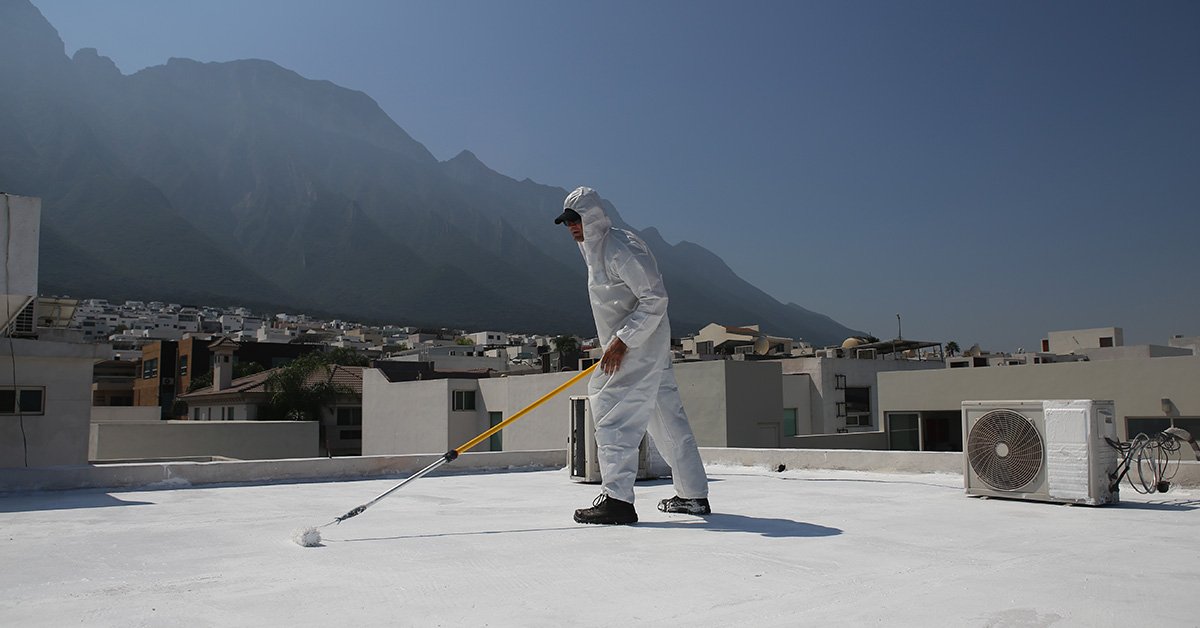
- Durability: They prevent rust and seal vulnerable areas like seams and fasteners.
- Flexibility: They expand and contract with temperature changes, avoiding cracks.
- Energy Efficiency: Reflecting up to 90% of UV rays, they reduce roof temperatures by up to 50°F, lowering cooling costs by 10–15%.
- Cost Savings: At $3–$7 per square foot, they’re far cheaper than roof replacements ($6–$15 per square foot).
With proper application and maintenance, elastomeric coatings can add 10–25 years to a metal roof’s lifespan, making them an affordable and practical solution for property owners.
How Elastomeric Coatings Protect Metal Roofs
Common Metal Roof Problems in Oklahoma
Metal roofs in Oklahoma face tough challenges due to the state’s extreme weather conditions. During the summer, the metal expands, and in the winter, it contracts. This constant cycle of expansion and contraction – known as thermo-cycling – causes fasteners to loosen and seams to open, creating opportunities for water to seep in and rust to form. Add Oklahoma’s high humidity and frequent storms, and the corrosion process speeds up even more.

Elastomeric coatings address these problems by creating a durable, flexible barrier that adapts to these environmental stresses.
How Elastomeric Coatings Work
The process starts with a rust-inhibitor primer – such as "Rust Off" or "Metal Ready Universal" – to stop oxidation in its tracks. Afterward, a liquid elastomeric topcoat is applied. Once cured, this topcoat forms a seamless, stretchable membrane that moves with the roof as it expands and contracts. It’s crucial to neutralize any existing rust before sealing to avoid further damage.
This coating creates a single, continuous layer over the entire roof, sealing weak spots like seams, fasteners, and penetrations. Its ability to stretch over 500% of its original size means it can handle the roof’s thermal movement without cracking or losing its grip. For example, when the metal heats up and expands, the coating stretches along with it. When the temperature drops and the metal contracts, the coating snaps back to its original shape – some advanced systems even boast a 99.99% memory recovery rate.

Another big win? Elastomeric coatings reflect 85–90% of the sun’s UV rays, keeping the metal roof cooler and reducing the thermal stress that contributes to wear and tear.
"We basically turn that roof from a steel roof to an elastomeric white rubber membrane".
- Grant from Messick Roofing
| Feature | Uncoated Metal Roof | Elastomeric-Coated Metal Roof |
|---|---|---|
| Rust Resistance | High risk; prone to oxidation from humidity and standing water | High; protected by rust-inhibiting primers and waterproofing |
| UV Protection | Absorbs heat, increasing surface temperatures | Reflects 85–90% of UV rays, keeping the roof cooler |
| Leak Prevention | Weak points at seams and fasteners due to thermal movement | Seamless membrane seals all penetrations |
| Thermal Stress | Significant; fasteners loosen and seams gap | Reduced by the coating’s flexibility |
The Application Process for Elastomeric Coatings
Roof Inspection and Suitability Assessment
The first step in applying elastomeric coatings is a thorough roof inspection to determine if the surface is suitable. During this process, inspectors assess the roof’s structural health, looking for issues like sagging, punctures, or weak spots that could affect the coating’s performance. Moisture levels are also checked, as trapped water or wet insulation can weaken adhesion. If more than 40% of the roof has high moisture levels, local building codes may require a complete tear-off and replacement instead of applying a coating.

Drainage and slope are also evaluated to ensure water flows off the roof effectively. Contractors inspect gutters, drains, and scuppers to verify proper water management. They also examine penetrations for potential leaks. Finally, an adhesion test is performed on a small section of the roof to confirm that the elastomeric coating will bond properly to the metal surface. This step is crucial to ensure the coating delivers the protective benefits mentioned earlier.
Once the roof passes inspection, the focus shifts to preparing the surface for application.
Surface Preparation and Coating Application
Preparation is everything when it comes to applying elastomeric coatings. The roof must be spotless – free of dirt, grease, debris, and anything else that could interfere with adhesion. Contractors typically pressure wash the roof to achieve this level of cleanliness. As one expert puts it:
"Preparation is King! … The roof should be so clean that if you drop your sandwich, you should still want to eat it."
Rust is another issue to address. Any existing rust must be removed or treated, as sealing over active rust can lead to coating failure down the line. Loose fasteners should be replaced, and structural damage repaired. Seams, joints, and cracks are sealed using specialized repair products or reinforcement fabrics to create a smooth, even surface. It’s also vital to ensure the roof is completely dry before applying the coating to prevent issues like blistering or peeling.

Once the surface is clean and repaired, a primer is applied to strengthen the bond between the metal and the elastomeric topcoat. Application should occur in temperatures of at least 50°F, although some formulations can cure at temperatures as low as 35°F.
With the surface prepped, the next step is choosing the right coating system for the roof’s specific needs.
Choosing the Right Coating System
Selecting the appropriate coating depends on factors like the roof’s condition, slope, and the local climate. Acrylic coatings, for example, are cost-effective and provide excellent UV resistance. However, they aren’t suitable for areas with ponding water, making them a better choice for sloped roofs in dry climates. Silicone coatings, on the other hand, excel at waterproofing and can handle standing water, making them ideal for flat or low-slope roofs in wetter regions. Keep in mind, though, that silicone coatings tend to be more expensive and can become slippery when wet. Polyurethane coatings are known for their durability and resistance to impact and abrasion, which makes them a great option for roofs with heavy foot traffic or mechanical equipment. However, they have higher VOC content and emit strong odors during application.

The thickness of the coating also plays a role in its longevity. A 20-mil coating typically lasts 10 years, while a 30-mil coating can last up to 20 years. Additionally, white coatings can reflect 60% to 90% of sunlight, which can lower roof surface temperatures by as much as 50°F and reduce cooling costs by 10% to 15% in single-story buildings.
From a cost perspective, applying an elastomeric roof coating typically ranges from $1.50 to $4.00 per square foot. This can save up to 75% compared to a full roof replacement.
| Coating Type | Strengths | Limitations | Best For |
|---|---|---|---|
| Acrylic | Affordable, high UV resistance, breathable | Not suitable for ponding water; shorter lifespan | Sloped roofs in dry, sunny climates |
| Silicone | Excellent waterproofing; resists ponding water and UV | Slippery when wet; more expensive; harder to recoat | Flat or low-slope roofs in wet regions |
| Polyurethane | High impact and abrasion resistance | Higher VOC content; strong odors during application | Roofs with heavy foot traffic or mechanical equipment |
How To Apply Roof Coating Henry 100% Acrylic Dura-Brite White Elastomeric Step By Step DIY
sbb-itb-6a78eb0
Benefits of Elastomeric Coatings for Metal Roofs
Extended Roof Life and Performance
Elastomeric coatings can add 10–15 years to the life of a metal roof by addressing one of its biggest challenges: thermal cycling. Thermal cycling, caused by the fluctuating expansion and contraction of roof materials due to temperature changes, can severely weaken metal roofs over time. Elastomeric coatings, with their impressive elongation capabilities ranging from 250% to 900%, are designed to flex and recover in sync with the roof’s movements. As Zach Reece from Colony Roofers explains:
"Because these coatings can stretch and move with your roof, they can expand and contract with your roof system as the temperature changes."

Beyond flexibility, these coatings create a seamless, waterproof barrier that guards against rust, corrosion, and damage from moisture, acid rain, or chemicals. Once cured, the coating forms a durable, rubber-like layer that seals vulnerable areas. Many elastomeric coatings are also enhanced with UV-reflective pigments, which help reduce solar heat absorption. Together, these features not only protect the roof but also deliver energy savings and lower maintenance costs.
Energy Efficiency and Cost Savings
Elastomeric coatings offer substantial energy-saving benefits. By reflecting sunlight, these coatings can lower roof temperatures by as much as 50°F, significantly reducing heat transfer into the building. This cooling effect can lead to energy savings of 10% to 15% for single-story buildings. In hot climates like Oklahoma, these savings quickly add up – ENERGY STAR®–qualified coatings can save property owners around $0.64–$1.11 per square foot over their lifetime.

From a cost perspective, elastomeric coatings are a much more affordable alternative to a full roof replacement. While a complete metal roof replacement costs between $5.00 and $15.00 per square foot, applying an elastomeric coating typically ranges from $1.50 to $4.00 per square foot. According to Polyglass U.S.A., Inc.:
"The initial cost of coating a commercial roof (including labor costs) might result in a savings of up to 75% compared to that of a more complicated roof replacement."
| Feature | Metal Roof Replacement | Elastomeric Coating Restoration |
|---|---|---|
| Cost | $5.00–$15.00 per sq. ft. | $1.50–$4.00 per sq. ft. |
| Disruption | High (tear-off, potential closure) | Low (business continues as usual) |
| Lifespan Added | 40–70 years (new roof) | 10–15 years (per application) |
| Energy Impact | Variable (material-dependent) | High (80–90% reflectivity) |
| Waste | High (old roof to landfill) | Low (minimizes landfill waste) |
For property owners planning to maintain their building for the next 10 to 15 years, elastomeric coatings offer a practical, cost-effective solution. Unlike a full roof replacement, coatings minimize disruption and can be reapplied every 10–15 years to maintain their protective and energy-saving benefits. This makes them an ideal choice for those seeking a balance between performance and affordability.
Maintaining Elastomeric-Coated Roofs
Inspection and Cleaning Schedule
To keep elastomeric-coated roofs in good shape, schedule annual inspections and check the roof after major weather events like hailstorms, strong winds, or heavy snow. These inspections help spot early signs of wear, such as cracking, peeling, or surface damage, before they worsen. Roofing expert Brian Chavalia from West Roofing Systems emphasizes this approach:
"Elastomeric roof coatings will last longer with proper annual maintenance and inspection".

Pay special attention to areas like roof hatches, drains, penetrations, gutters, and scuppers. These spots play a critical role in water drainage, and any blockage or damage could lead to ponding water, which stresses even water-resistant coatings. Clear debris, such as leaves and twigs, with a broom or blower to prevent buildup that could compromise the coating’s performance.
Routine cleaning is equally important for maintaining the coating’s reflectivity and preventing dirt, mold, mildew, or algae from taking hold. Clean the roof with water, mild soap, and a soft brush as needed. If using a pressure washer, keep the pressure under 2,000 PSI, use a 40° white nozzle tip, and maintain a 6-inch distance from the surface. For organic growth like moss or algae, apply a water and white vinegar solution, let it sit for 15–20 minutes, and then rinse thoroughly. Generally, cleaning twice a year – in spring and fall – is enough. However, properties near the coast (within 10–15 miles) might need more frequent cleaning due to the corrosive effects of salt spray.
Before any recoating or repair, ensure the surface is clean and intact.
Recoating and Repair Guidelines
Timely recoating and repairs are key to extending the life of elastomeric roof coatings. Typically, these coatings last between 10 and 20 years, depending on the thickness of the initial application. They are renewable, meaning a new layer can be applied once signs of wear appear or when the warranty expires (usually after 10 to 25 years).

Proper surface preparation is crucial for successful recoating or repairs. The roof must be clean, dry, and free of chalk – a powdery residue caused by UV exposure. Use a power washer with TSP (trisodium phosphate) to remove dirt, mold, and chalk, and allow the surface to dry completely (up to 24 hours) before starting.
Address small issues like cracks or leaking fasteners promptly using elastomeric patches or cement to prevent moisture from seeping in.
Timing matters when applying a new coating. Ensure temperatures are at least 50°F, and check that no rain is expected for 24 to 72 hours to allow proper curing. Before applying a full recoat, perform an adhesion test to confirm the new layer bonds well with the existing coating – this is particularly important for silicone coatings, which can be tricky to adhere to. Pay extra attention to seams, transitions, and fasteners, as these are common failure points. Seal them with a thick waterproofing mastic before applying the topcoat.
| Warranty Term | Required Coating Thickness | Estimated Lifespan |
|---|---|---|
| 10 Years | 20 mils | 10–12 years |
| 15 Years | 25 mils | 15–17 years |
| 20 Years | 30 mils | 20+ years |
(Source: West Roofing Systems [11])
Conclusion
Elastomeric coatings provide a reliable way to protect metal roofs in Oklahoma’s challenging weather conditions while significantly extending their lifespan. These coatings form a seamless, waterproof barrier that seals gaps at seams and fasteners, prevents rust and corrosion, and reflects harmful UV rays that can deteriorate metal surfaces. One of their standout features is flexibility, allowing them to expand and contract with temperature changes – a must-have for areas with dramatic temperature swings.
Beyond protection, elastomeric coatings also offer energy savings. Reflective coatings can lower roof surface temperatures by as much as 50°F, translating to cooling cost reductions of 10% to 15%. Combined with lower maintenance expenses, this makes elastomeric coatings a practical and economical alternative to full roof replacements. At an average cost of $3 to $7 per square foot, they provide a budget-friendly solution that avoids the need for costly tear-offs. With regular maintenance and recoating, these systems can keep your roof in top condition for decades.
Elastomeric coatings are not just a smart investment – they’re a long-term solution. Quality Roofing Systems brings over 17 years of expertise to every project, ensuring the right materials, meticulous surface preparation, and precise application in line with manufacturer standards. As certified Roof-Tek and PolyGlass contractors, we proudly serve Tulsa, Sand Springs, Broken Arrow, and the surrounding Green Country communities, helping you get the most out of your roof for years to come.
FAQs
How do elastomeric roof coatings compare to replacing a metal roof in terms of cost and durability?
Elastomeric roof coatings offer a budget-friendly solution compared to replacing an entire metal roof. While a metal roof replacement can run you $6–$15 per square foot and typically lasts 20–30 years, elastomeric coatings come at a much lower upfront cost and can add 10–20 years to your roof’s lifespan.
These coatings are also straightforward to apply, create minimal disruption during installation, and bring extra perks like UV resistance and better energy efficiency. They’re a smart option for tackling roof wear and tear without the hefty price tag of a full replacement.
What should I consider when selecting an elastomeric coating for my metal roof?
When selecting an elastomeric coating for your metal roof, there are a few key things to keep in mind. First, think about how well the coating suits your climate. It needs to handle your area’s weather – whether that’s scorching heat, freezing temperatures, or heavy rain – without breaking down. Look for coatings that offer UV protection, waterproofing, and flexibility to adapt to temperature shifts without cracking.
You’ll also want to weigh the durability and cost. While some coatings might seem pricey upfront, their quality can save you money over time by cutting down on maintenance and lowering energy bills. Lastly, don’t overlook the application process. Some coatings are easier to apply and maintain, which can make them a smarter choice for the long haul.
How often should I inspect and maintain an elastomeric-coated metal roof to keep it in good condition?
Metal roofs with an elastomeric coating need yearly inspections to spot damage, wear, or accumulated debris. Simple upkeep like cleaning and addressing minor issues can stop small problems from turning into expensive repairs. Depending on exposure to harsh weather or UV rays, a more in-depth inspection and reapplication of the coating might be necessary every 5 to 10 years. Taking these proactive steps helps maintain your roof’s durability and extend its lifespan.